F/OSS Comics
F/OSS Comics is a comic series about free and open source software. Through stories from the history of computing and software, we hope to help readers understand F/OSS and get involved.
7. MIT Hacker Culture and ITS
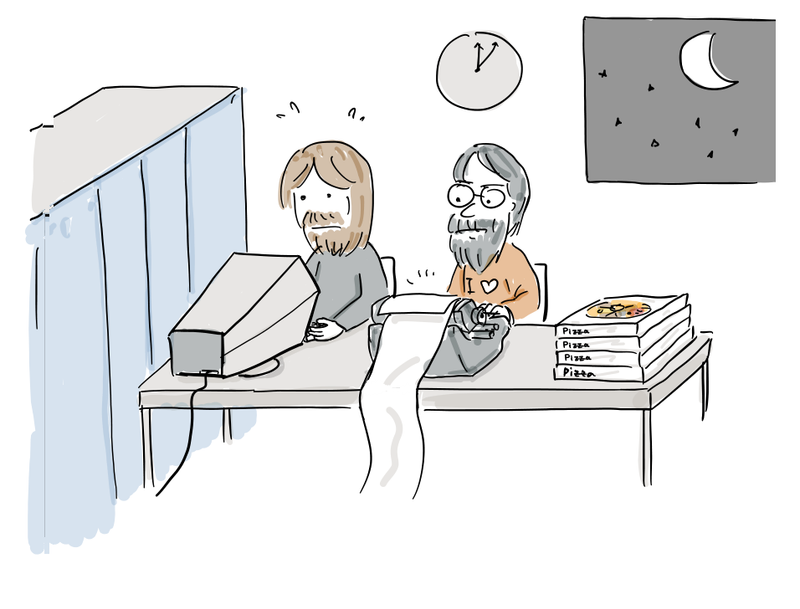
The hacker culture at MIT had roots in the Tech Model Railroad Club, whose members later programmed computers including the PDP-1. This experimentation fostered the hacker ethos, leading to the development of one of the earliest and most influential computer games, Spacewar!, and the ITS. The open, collaborative nature of ITS at the MIT AI Lab, accessible through ARPAnet, significantly influenced hacker culture and laid the groundwork for the free/open-source software movement...
Read more ⟶
6. The Origin of the Hacker Culture
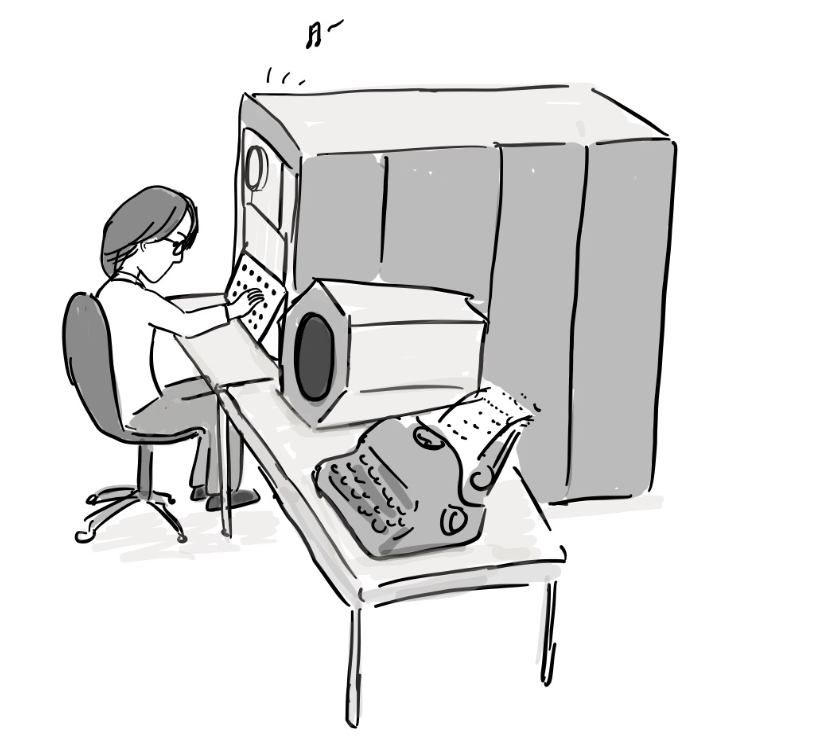
The origins of hacker culture reach back to early programming communities and MIT's PDP-1 enthusiasts, who created software such as Spacewar!, text editors, and music programs. Project MAC, the AI Lab, ITS, and ARPANET helped this culture spread and influence today's open-source hacker community.
Read more ⟶
5. The Beginning of Software Engineering
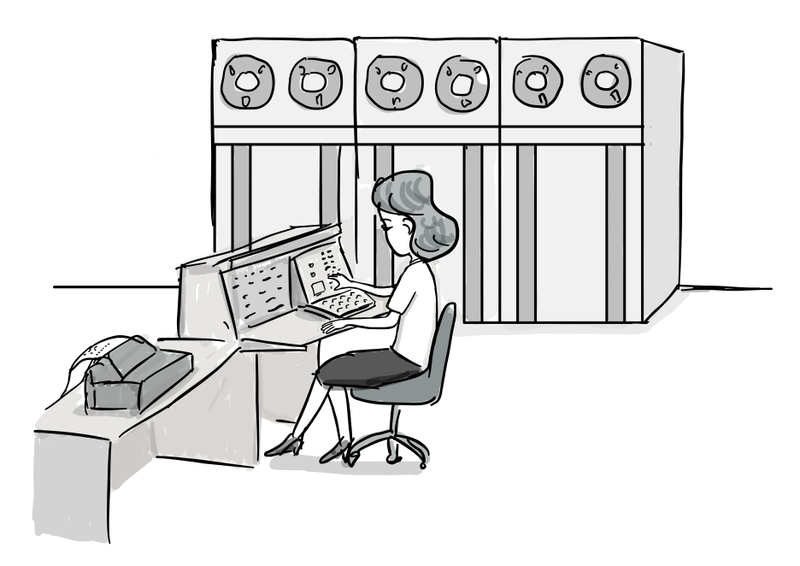
Early programmers came from mathematics, science, and engineering. Margaret Hamilton and other women helped establish software as a demanding engineering discipline.
Read more ⟶
4. How Did People Write Code in the Early Days of Computing?
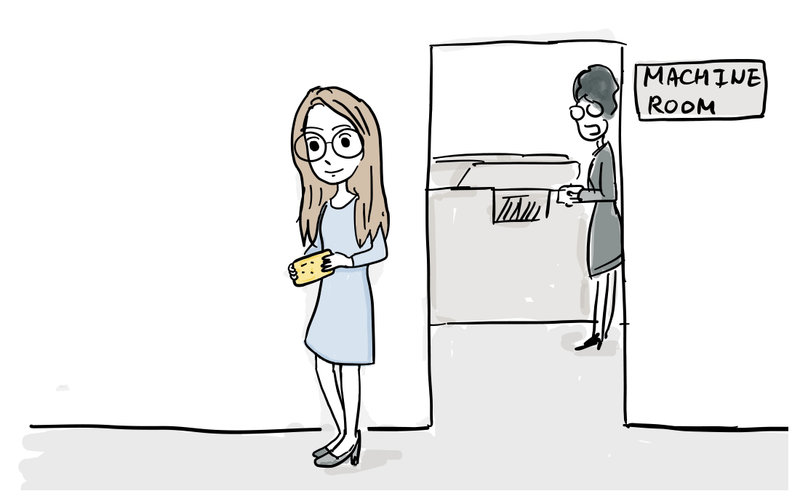
Early programmers moved from rewiring machines to stored programs, assembly language, paper tape, and punched-card batch processing.
Read more ⟶
3. The Era of Commercial Computers
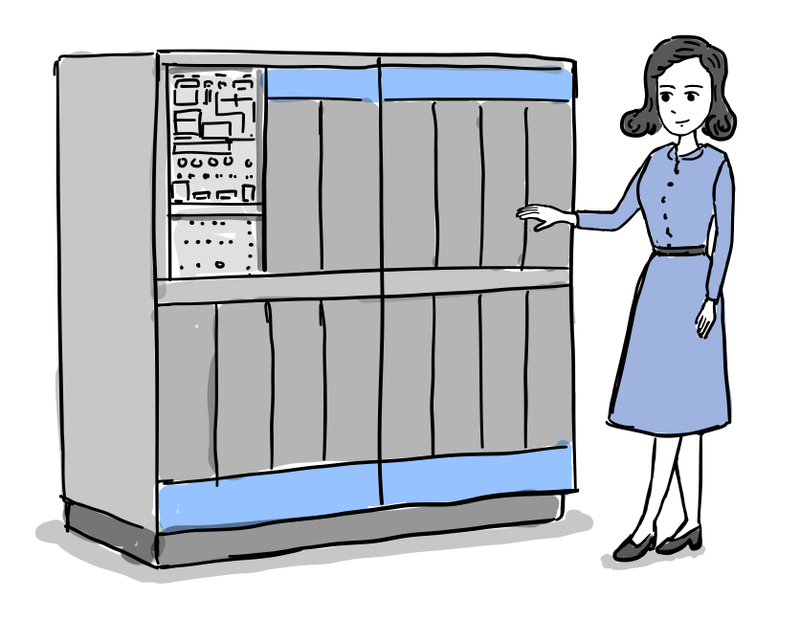
In 1946, ENIAC and EDVAC engineers J. Presper Eckert and John Mauchly founded a company that became the Eckert-Mauchly Computer Corporation and developed UNIVAC I. During the 1950s, IBM introduced computers including the 701, 704, and mass-produced 650, while Fortran and Lisp helped expand the possibilities of programming. This marked the beginning of widespread commercial computing.
Read more ⟶